join the newsletter to Turn your paycheck into passive income

Bonds Portfolio Builder
Build your fixed income portfolio with the best services and platforms we recommend.
Building a Bonds Portfolio
Bonds are the "steady Eddie" of passive income—predictable, lower-risk, and boring in the best possible way. While stocks swing wildly, bonds pay their coupons like clockwork. For anyone building a balanced portfolio, bonds provide stability that lets you sleep at night.
On this page, I've curated the exact resources I use (or would recommend to a close friend) to build a bonds portfolio that generates reliable income. Every service listed here has been vetted for two things: high quality and a low learning curve. You don't need an economics degree—you need the right platforms and a basic understanding of how debt instruments work.
My goal is to help you add fixed income to your portfolio with confidence. Bonds won't make you rich overnight, but they protect what you've built and provide income you can count on. To get started, follow the three steps below:
Note: Some links on this page are affiliate links. I only recommend tools I personally trust to help you build long-term wealth. You can view our full terms and conditions.
Identify high-potential opportunities and validate your strategy.
Secure your assets or build them from scratch using the best-in-class platforms.
Oversee your progress and automate your passive income flow.
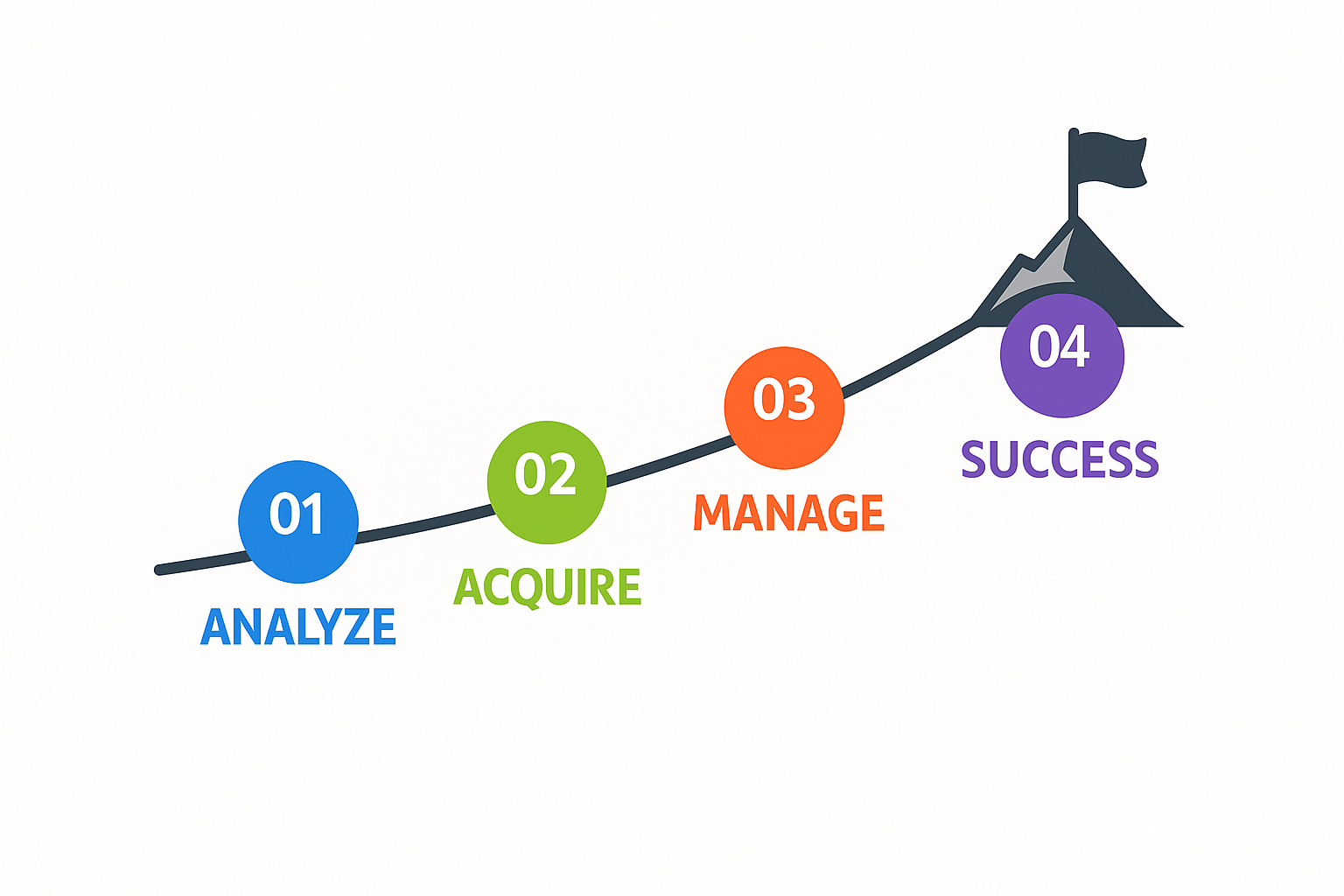
Step 1. Analysis & Evaluation
The Goal: To understand the bond landscape and select instruments that match your risk tolerance and income needs.
Most people avoid bonds because they seem complicated—coupon rates, yields, duration, credit ratings. But the core concept is simple: you loan money, they pay you interest. This step is about understanding the different types of bonds and selecting the ones that fit your strategy.
Successful bond investing means matching your bond selection to your goals. Want maximum safety? Treasury bonds. Want higher yield? Corporate or municipal bonds. Want inflation protection? I-bonds or TIPS. The tools below help you understand, compare, and select.
What to evaluate:
Bond types: Treasury, municipal, corporate, I-bonds, TIPS—what's the difference?
Yield analysis: How to compare yields across different bond types and durations
Credit quality: Understanding ratings and default risk
Duration and interest rate sensitivity: How bond prices move when rates change
Step 2. Acquisition & Development
The Goal: To purchase bonds efficiently, whether through government platforms, brokerages, or bond funds.
You can buy bonds directly (individual bonds), through brokerages (bond ETFs and mutual funds), or through government platforms (TreasuryDirect for U.S. bonds). Each approach has trade-offs in terms of simplicity, cost, and control.
This step covers all purchase methods so you can choose what works best for your situation. For most beginners, bond ETFs offer the simplest entry point; for those wanting guaranteed returns, direct purchase of treasuries or I-bonds makes sense.
How to acquire:
TreasuryDirect: Buying I-bonds and treasury bonds directly from the U.S. government
Brokerage bond trading: Individual bonds through your investment account
Bond ETFs and funds: Diversified exposure without buying individual bonds
Ladder strategies: Building a bond ladder for consistent income
Step 3. Manage & Monitor
The Goal: To track your fixed income, reinvest strategically, and optimize your bond allocation over time.
Bond management is different from stock management—you're primarily focused on when bonds mature, where to reinvest proceeds, and how interest rate changes affect your portfolio. This step is about building systems for tracking and optimizing.
The best bond investors have clear reinvestment strategies and understand how their bond allocation changes as they age or as market conditions shift.
What to manage:
Maturity tracking: When do your bonds mature, and what's your reinvestment plan?
Interest rate monitoring: How rate changes affect your existing bonds and future purchases
Portfolio rebalancing: Maintaining your target allocation between stocks, bonds, and other assets
Tax optimization: Managing taxable vs. tax-advantaged bond holdings
Continue learning with these in-depth articles:
Check out the other portfolio builders:
CheatCode Wealth™
Build your wealth. Keep your life.
© 2025. All rights reserved. Cheatcode Wealth LLC. This webpage may contain paid affiliate links.