join the newsletter to Turn your paycheck into passive income

Short Term Rentals Portfolio Builder
Build your short-term rental portfolio with the best services and platforms we recommend.
Building a Short Term Rentals Portfolio
Short-term rentals offer the potential for higher returns than traditional rentals—but they also come with more moving parts. Done right, a single vacation property can generate what multiple long-term rentals produce. Done wrong, you'll spend your weekends cleaning bathrooms and answering guest messages.
On this page, I've curated the exact resources I use (or would recommend to a close friend) to build a short-term rental portfolio without it becoming a second job. Every service listed here has been vetted for two things: high quality and a low learning curve. The key to successful short-term rentals is automation—and the tools below make that possible.
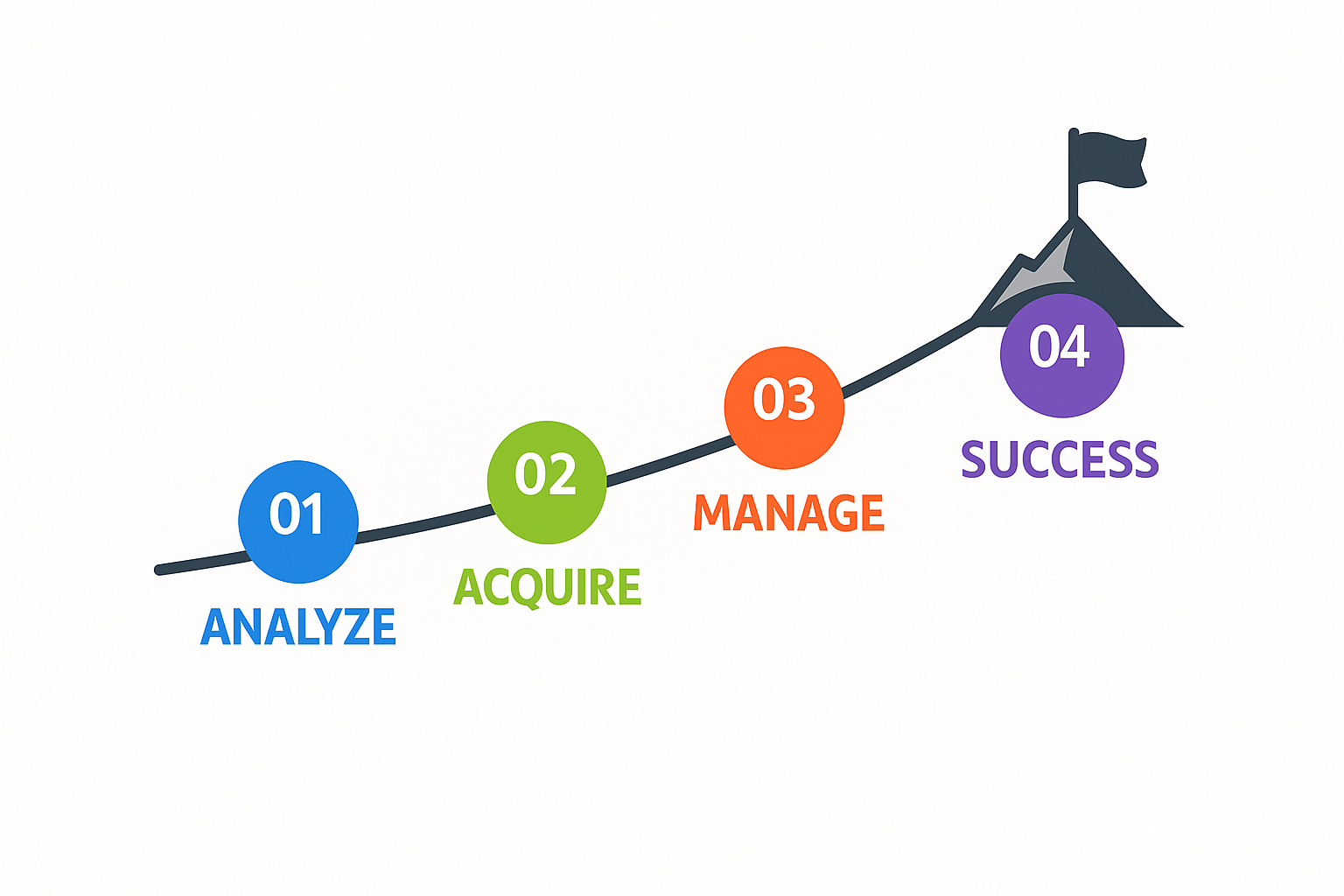
My goal is to help you capture the upside of vacation rentals while minimizing the operational headaches. You can absolutely run a short-term rental portfolio with a full-time job; you just need the right systems in place. To get started, follow the three steps below:
Note: Some links on this page are affiliate links. I only recommend tools I personally trust to help you build long-term wealth. You can view our full terms and conditions.
Identify high-potential opportunities and validate your strategy.
Secure your assets or build them from scratch using the best-in-class platforms.
Oversee your progress and automate your passive income flow.

Step 1. Analysis & Evaluation
The Goal: To find markets and properties where short-term rental income significantly exceeds traditional rental income—and where regulations allow it.
Most short-term rental investors fail because they buy a property in a market that looks exciting but has terrible economics or hostile regulations. A beachfront condo sounds great until you realize the HOA bans Airbnb, or the city requires a $10,000 permit.
This step is about validating that your target market and property can actually generate the income you're projecting. You need accurate revenue estimates, not wishful thinking based on "peak season" rates. The tools below help you analyze markets, project realistic income, and identify regulatory risks before you commit.
What to evaluate:
Market demand: Which locations have consistent traveler demand year-round vs. seasonal spikes?
Revenue projection: What do similar properties in this exact area actually earn (not what hosts claim)?
Regulation check: Does this city/HOA allow short-term rentals? What permits or taxes apply?
Competition analysis: How saturated is the market? What makes a listing stand out?
Step 2. Acquisition & Development
The Goal: To acquire and prepare a property that guests will love—and leave 5-star reviews for.
Acquiring a short-term rental is similar to traditional real estate, but the development phase is different. You're not just buying a property; you're creating an experience. The difference between a 4.2-star listing and a 4.9-star listing is often small details that guests notice.
This step covers both the acquisition process (financing, purchasing) and the development phase (furnishing, photography, listing optimization). Get this right, and you'll command premium prices. Get it wrong, and you'll compete on price with amateur hosts.
What to acquire and develop:
Financing: Vacation rental loans, second home mortgages, or investment property financing
Furnishing: Creating a guest-ready space that photographs well and earns reviews
Listing creation: Professional photos, optimized descriptions, and competitive pricing
Essential supplies: Everything guests expect (and the things that earn bonus points)
Step 3. Manage & Monitor
The Goal: To automate operations so you're not glued to your phone responding to guest messages at 11 PM.
The dirty secret of short-term rentals is that many hosts spend more time on operations than they do at their day jobs. That's not passive income—that's a hospitality business. The key to keeping short-term rentals truly passive is automation and delegation.
This step is about building systems that handle guest communication, dynamic pricing, cleaning coordination, and everything else that would otherwise consume your evenings and weekends. With the right tools, you can manage multiple properties in less time than it takes to watch a TV episode.
What to automate and manage:
Guest messaging: Automated responses, check-in instructions, and review requests
Dynamic pricing: Algorithms that adjust rates based on demand, events, and competition
Cleaning coordination: Automatic scheduling and turnover management
Multi-platform management: Syncing Airbnb, VRBO, and direct bookings in one place
Continue learning with these in-depth articles:
Check out the other portfolio builders:
CheatCode Wealth™
Build your wealth. Keep your life.
© 2025. All rights reserved. Cheatcode Wealth LLC. This webpage may contain paid affiliate links.