join the newsletter to Turn your paycheck into passive income

Convenience Machines Portfolio Builder
Build your convenience machine portfolio with the best services and platforms we recommend.
Building a Convenience Machines Portfolio
Convenience machines—ATMs, vending machines, laundry equipment—are one of the most overlooked passive income streams. They're not glamorous, but they're consistent. While everyone chases the latest tech trend, people still need cash, snacks, and clean clothes.
On this page, I've curated the exact resources I use (or would recommend to a close friend) to build a convenience machine portfolio that earns while you sleep. Every service listed here has been vetted for two things: high quality and a low learning curve. This isn't rocket science, but the right tools make the difference between a profitable machine and a dusty box collecting fees.
My goal is to help you add physical income-producing assets that require minimal ongoing attention. A single well-placed ATM can generate hundreds of dollars per month with just a few hours of maintenance. To get started, follow the three steps below:
Note: Some links on this page are affiliate links. I only recommend tools I personally trust to help you build long-term wealth. You can view our full terms and conditions.
Identify high-potential opportunities and validate your strategy.
Secure your assets or build them from scratch using the best-in-class platforms.
Oversee your progress and automate your passive income flow.
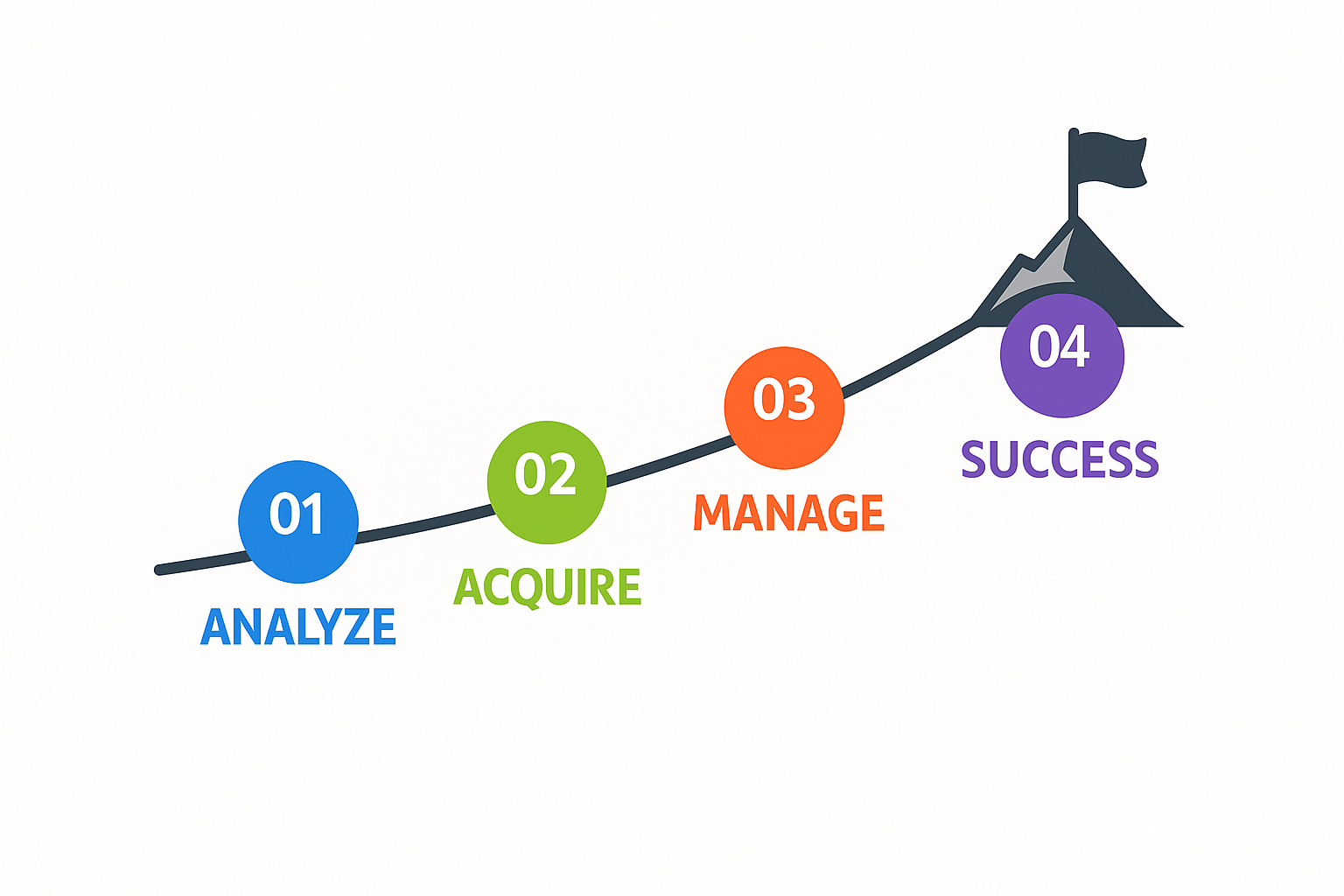
Step 1. Analysis & Evaluation
The Goal: To find locations with high foot traffic and validate that the economics work before you buy a single machine.
Most convenience machine investors fail because they buy equipment first and then scramble to find a location. That's backwards. Location is everything in this business. A vending machine in a dead hallway loses money; the same machine near a break room prints it.
This step is about identifying locations, estimating volume, and validating profitability before you commit capital. You need to understand foot traffic patterns, negotiate placement agreements, and calculate whether the numbers actually work.
What to evaluate:
Location scouting: Which businesses have high foot traffic and would benefit from your machine?
Volume estimation: How many transactions can you realistically expect per day/week?
Placement economics: What percentage of revenue goes to the location owner?
Competition check: Are there already machines serving this location?
Step 2. Acquisition & Development
The Goal: To acquire reliable equipment and secure profitable placement agreements.
Once you've identified promising locations, you need equipment that won't break down constantly and placement agreements that protect your interests. The machine itself is almost secondary to the location—but bad equipment will drain your profits in repair costs and downtime.
This step covers buying or leasing machines, negotiating placement terms, and getting your equipment installed and operational. Get this right, and you'll have a turnkey income stream. Get it wrong, and you'll spend your weekends servicing broken machines.
What to acquire:
Machines: New vs. refurbished, lease vs. buy, brand selection
Payment systems: Card readers, contactless payment, and cash handling
Placement agreements: Contract terms, revenue splits, and liability protection
Initial inventory: Stocking your machine for launch (vending) or cash loading (ATM)
Step 3. Manage & Monitor
The Goal: To establish efficient service routes and track performance so you know exactly what each machine earns.
The "passive" in passive income comes from efficient systems. If you're driving across town every day to check on one machine, you've created a minimum-wage job for yourself. The key is building service routes, tracking inventory and cash levels remotely, and knowing exactly when each machine needs attention.
This step is about monitoring, maintenance, and optimization. The right tools alert you when a machine needs service, track your profits down to the penny, and help you identify which locations are winners and which should be replaced.
What to manage:
Remote monitoring: Know when machines need restocking or repairs without visiting
Service routes: Efficient schedules that minimize drive time and maximize uptime
Performance tracking: Revenue, transaction counts, and profitability by machine
Inventory management: What's selling, what's sitting, and what to stock next
Continue learning with these in-depth articles:
Check out the other portfolio builders:
CheatCode Wealth™
Build your wealth. Keep your life.
© 2025. All rights reserved. Cheatcode Wealth LLC. This webpage may contain paid affiliate links.