join the newsletter to Turn your paycheck into passive income

Rentals Portfolio Builder
Build your rental property portfolio with the best services and platforms we recommend.
Building a Rental Real Estate Portfolio
Building a rental real estate portfolio isn't about becoming a full-time landlord; it's about creating predictable, monthly income that grows while you keep your day job. Unlike stocks that fluctuate daily, rental income hits your bank account every month—rain or shine.
On this page, I've curated the exact resources I use (or would recommend to a close friend) to build a rental real estate portfolio from the ground up. Every service listed here has been vetted for two things: high quality and a low learning curve. Real estate can be intimidating, but the right tools make it accessible to anyone with a steady paycheck and a plan.
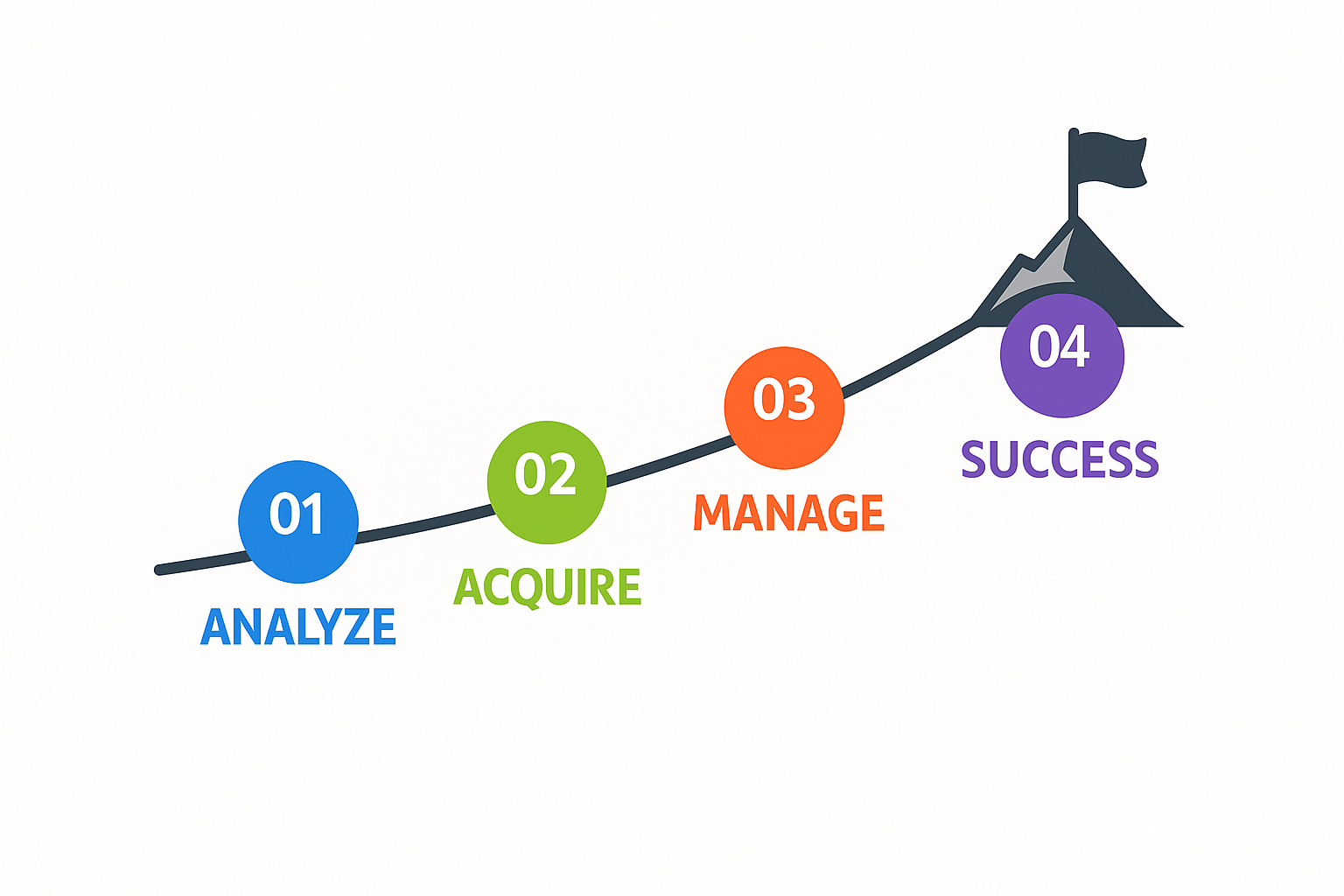
My goal is to help you build rental income as systematically as possible. Most people think you need to be wealthy to invest in real estate—you don't. You need knowledge, the right tools, and a repeatable system. To get started, follow the three steps below:
Note: Some links on this page are affiliate links. I only recommend tools I personally trust to help you build long-term wealth. You can view our full terms and conditions.
Identify high-potential opportunities and validate your strategy.
Secure your assets or build them from scratch using the best-in-class platforms.
Oversee your progress and automate your passive income flow.
Step 1. Analysis & Evaluation
The Goal: To find properties that generate positive cash flow from day one and avoid deals that look good on paper but drain your bank account.
Most first-time real estate investors fail because they fall in love with a property instead of the numbers. A beautiful house in a bad rental market is a liability, not an asset. This step is about using data-driven tools to find properties where the math actually works.
Successful rental investing means buying properties where rent exceeds all expenses—mortgage, taxes, insurance, maintenance, and vacancies. Skip this step, and you'll join the countless "accidental landlords" who lose money every month. The tools below help you identify markets, analyze deals, and validate your assumptions before you commit a single dollar.
What to evaluate:
Market analysis: Which cities and neighborhoods have strong rental demand, job growth, and landlord-friendly laws?
Property analysis: Does this specific property generate positive cash flow after all expenses?
Comparable rents: What are similar properties renting for in this area?
Expense estimation: What will you actually pay in taxes, insurance, maintenance, and vacancy?
Step 2. Acquisition & Development
The Goal: To secure financing and acquire your property using the most efficient methods available.
This is where your analysis becomes ownership. Most people get stuck here because they don't understand their financing options or they're waiting for "the perfect deal." Your goal is to move from research to acquisition with confidence.
The difference between a successful rental investor and someone who just talks about real estate is action. You need reliable financing, a trustworthy buying process, and often a team (agent, inspector, lender) that understands investment properties. I've narrowed down the field to platforms and resources that actually serve investors—not just homeowners.
What to acquire:
Financing: Investment property mortgages, DSCR loans, or creative financing options
Property sourcing: MLS listings, off-market deals, turnkey rental providers
Due diligence: Inspections, title search, and closing process
Step 3. Manage & Monitor
The Goal: To automate property management so your rental income is truly passive—not a second job.
If you're spending 20 hours a week dealing with tenant calls and maintenance requests, you don't have passive income—you have a part-time job. This step separates hobbyist landlords from wealth builders.
Successful management means having systems that handle rent collection, maintenance coordination, and tenant communication automatically. Whether you self-manage with software or hire a property manager, the right tools ensure your rental portfolio doesn't become a time drain.
What to manage:
Rent collection: Automated payments and late fee enforcement
Tenant screening: Background checks, credit reports, and income verification
Maintenance: Coordinating repairs without constant phone calls
Financials: Tracking income, expenses, and tax documentation
Continue learning with these in-depth articles:
Check out the other portfolio builders:
CheatCode Wealth™
Build your wealth. Keep your life.
© 2025. All rights reserved. Cheatcode Wealth LLC. This webpage may contain paid affiliate links.