join the newsletter to Turn your paycheck into passive income

Crypto Staking Portfolio Builder
Build your crypto staking portfolio with the best services and platforms we recommend.
Building a Staking Crypto Portfolio
Crypto staking is one of my active passive income streams—and yes, I see the irony in that sentence. Staking lets you earn yield on cryptocurrency holdings by participating in blockchain consensus mechanisms. Think of it as earning interest on your digital assets, though the mechanics are different from traditional banking.
On this page, I've curated the exact resources I use to stake crypto safely and systematically. Every service listed here has been vetted for two things: high quality and a low learning curve. Crypto can be confusing and full of scams—the platforms below are ones I actually trust with my own assets.
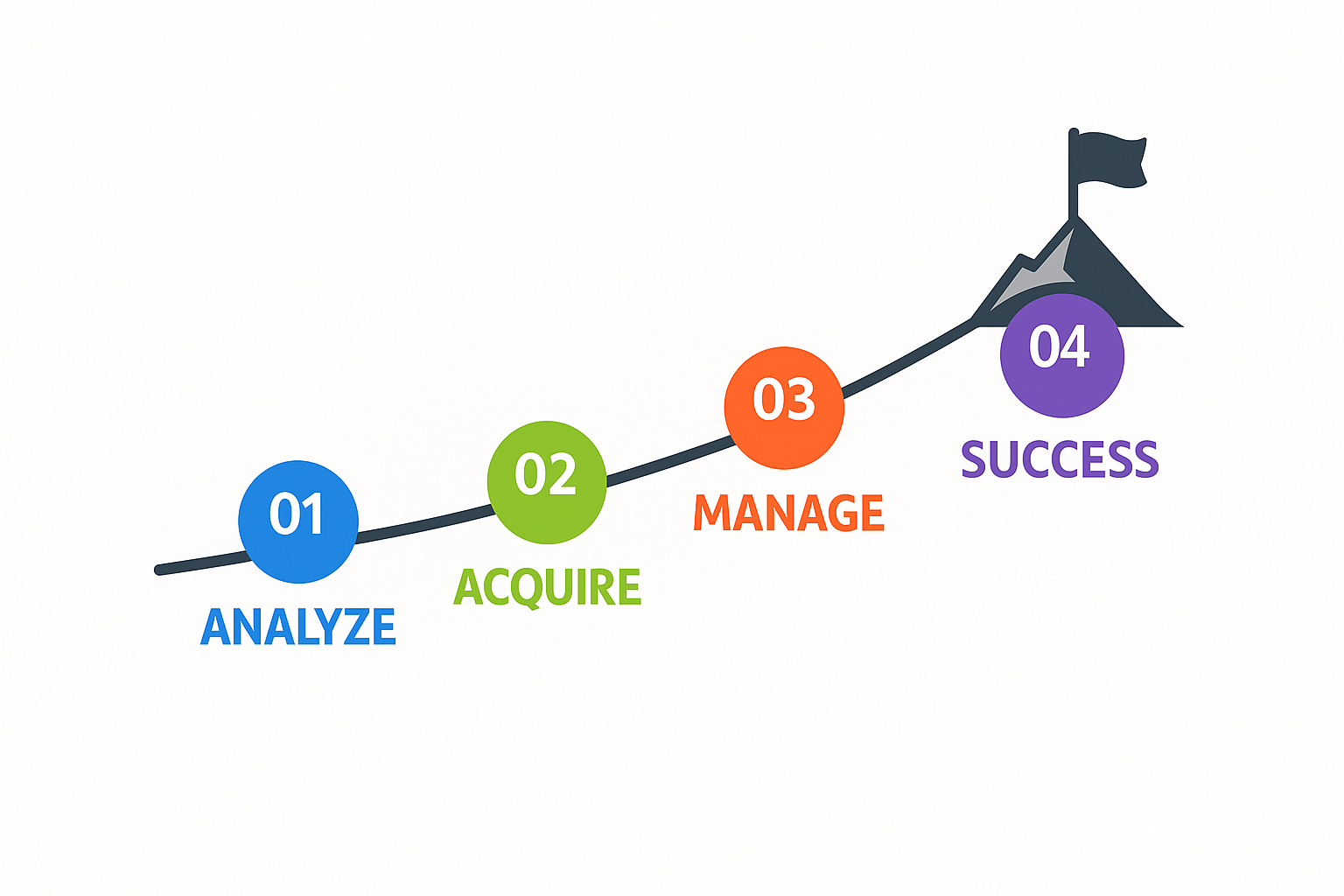
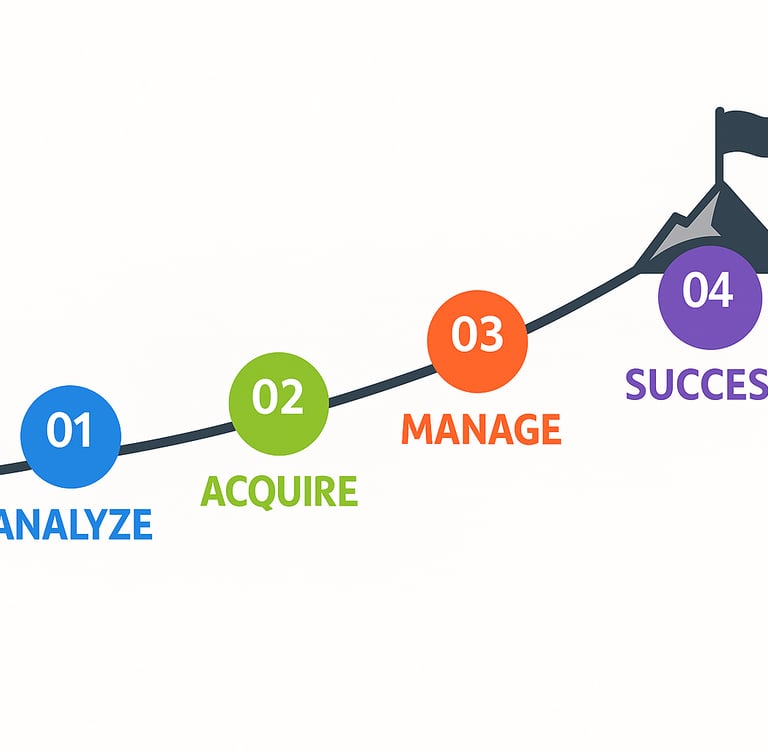
My goal is to help you add crypto yield to your portfolio without falling for the hype or the traps. Staking isn't risk-free, and I'll be upfront about what can go wrong. But done right, it's a legitimate passive income stream in the digital age. To get started, follow the three steps below:
Note: Some links on this page are affiliate links. I only recommend tools I personally trust to help you build long-term wealth. You can view our full terms and conditions.
Identify high-potential opportunities and validate your strategy.
Secure your assets or build them from scratch using the best-in-class platforms.
Oversee your progress and automate your passive income flow.
Step 1. Analysis & Evaluation
The Goal: To understand how staking works, which cryptocurrencies are worth staking, and how to evaluate risk vs. reward.
Most crypto investors who lose money do so because they chased high yields without understanding the risks. A 200% APY sounds amazing until you realize the token lost 90% of its value. This step is about understanding staking mechanics and selecting assets with genuine long-term potential.
Successful crypto staking means balancing yield with security. You need to understand proof-of-stake mechanisms, evaluate which blockchains are legitimate, and assess whether the yield is sustainable or just tokenomics trickery.
What to evaluate:
Staking mechanics: How does proof-of-stake work? What are you actually doing when you stake?
Asset selection: Which cryptocurrencies have legitimate staking with sustainable yields?
Risk assessment: Lock-up periods, slashing risks, smart contract risks, and market volatility
Yield comparison: Real yields vs. inflated APYs that dilute your holdings
Step 2. Acquisition & Development
The Goal: To acquire stakeable crypto assets and stake them through secure, reputable platforms.
You can stake through centralized exchanges (simpler), through self-custody wallets (more control), or through liquid staking protocols (more flexibility). Each approach has trade-offs in terms of ease of use, security, and yield.
This step covers acquiring crypto, choosing where to stake, and setting up your staking positions. The right platform depends on how much control you want and your comfort level with crypto self-custody.
How to stake:
Centralized staking: Staking through exchanges like Coinbase, Kraken, or Binance
Self-custody staking: Using hardware wallets and native staking
Liquid staking: Protocols that let you stake while maintaining liquidity
DeFi staking: More advanced yield strategies (higher risk, higher potential reward)
Step 3. Manage & Monitor
The Goal: To track your staking rewards, manage positions, and make informed decisions about compounding or harvesting.
Crypto markets are volatile, which means your staking portfolio needs regular attention—not daily, but certainly more than a traditional bond portfolio. This step is about tracking rewards, managing risk, and deciding when to compound, harvest, or rebalance.
The best crypto stakers have clear rules for when they take profits, when they compound, and what percentage of their total portfolio they allocate to crypto assets.
What to manage:
Reward tracking: How much are you earning, and is it meeting expectations?
Tax management: Staking rewards are typically taxable—how do you track cost basis?
Risk monitoring: Price movements, protocol changes, and security developments
Portfolio allocation: Keeping crypto at an appropriate percentage of total assets
Continue learning with these in-depth articles:
Check out the other portfolio builders:
CheatCode Wealth™
Build your wealth. Keep your life.
© 2025. All rights reserved. Cheatcode Wealth LLC. This webpage may contain paid affiliate links.