
The Self-Shaming Trap: When You Become Your Own Worst Critic
Self-shaming about your job is more destructive than external job shaming. Learn to recognize the internal dialogue that's holding you back from wealth.
JOB SHAMING
Garrett Duyck
5/4/20267 min read
Quick Navigation: Explore the blog | Active Income | Passive income | job SHaming | Stairstep retirement


No one had to tell me my job wasn't good enough.
I told myself that every single day.
"I should be doing better."
"I'm not living up to my potential unless I start a business."
"I'm letting my job hold me back."
"I'm not doing as well as the entrepreneurs I know."
"My family won't be proud of me if I just work a job."
These thoughts ran on a loop in my head for years. And they were more destructive than anything anyone else ever said to me about my career.
That's the self-shaming trap. And if you've ever felt it, you know how hard it is to escape.
What Is Self-Shaming?
Self-shaming is when you internalize negative beliefs about your worth, your choices, or your career, and then use those beliefs to judge yourself harshly.
It's not someone else making you feel inferior. It's you doing it to yourself.
With job shaming, self-shaming looks like this:
Feeling guilty for "just" having a job instead of running a business
Believing you're not ambitious enough because you prioritize work-life balance
Comparing yourself to entrepreneurs and feeling like you're falling behind
Questioning whether you're "wasting your potential" by staying employed
Feeling embarrassed to tell people what you do for work
The worst part? You become your own harshest critic.
No one has to shame you. You do it for them.
How Cultural Messaging Seeps In
Self-shaming doesn't come from nowhere. It's the result of absorbing thousands of subtle messages from the culture around you.
Here's how it happens:
From Financial Gurus and Influencers
You scroll through social media and see posts like:
"Stop trading time for money!"
"Your job will never make you rich."
"If you're not building multiple income streams, you're doing it wrong."
"Quit your 9-to-5 and take control of your life."
At first, you might ignore these messages. But after seeing them hundreds of times, they start to sink in.
You start to wonder: Maybe they're right. Maybe I am stuck. Maybe I should be doing more.
From Family Expectations
Your parents or relatives make subtle comments:
"When are you going to start your own thing?"
"Your cousin just launched a business. You should talk to him."
"Don't you want more than this?"
They're not trying to hurt you. They think they're motivating you. But what you hear is: What you're doing isn't enough.
From Cultural Narratives
The entire culture celebrates entrepreneurship and treats employment as a consolation prize.
Movies, books, and podcasts glorify the founder story—the scrappy entrepreneur who quit their job, took a risk, and built an empire.
No one makes inspirational content about the employee who stayed at their job, invested consistently, and built wealth over 20 years. But that's how most wealth is actually built.
After absorbing these messages long enough, you start to believe them. And once you believe them, you start to shame yourself.
My Long Struggle with Self-Shaming
I've dealt with self-shaming for most of my adult life.
Even when I was succeeding by every objective measure—paying off debt, investing consistently, building financial stability—I felt like I was failing.
Here are the thoughts that haunted me:
"I Should Be Doing Better"
I had a stable government job with good benefits. I was earning a solid income. I was saving and investing. But I couldn't shake the feeling that I should be doing more.
I looked at entrepreneurs around me and thought, They're building something. What am I building?
The answer, of course, was that I was building wealth. I was building financial security. I was building a life that aligned with my values.
But self-shaming made me blind to that.
"I'm Not Living Up to My Potential Unless I Start a Business"
This one cut deep.
I'm intelligent. I'm capable. I have skills and knowledge that could be valuable in the marketplace.
So why was I "just" working a job? Why wasn't I using those skills to build something of my own?
The belief that employment = wasted potential is one of the most toxic lies in our culture.
Employment isn't a waste. It's a strategic choice. It allows you to specialize, collaborate, and earn income immediately, without the years of delay, stress, and risk that come with entrepreneurship.
But I couldn't see that. I was too busy shaming myself.
"I'm Letting My Job Hold Me Back"
I told myself that my job was the problem. That if I just quit and went all in on something entrepreneurial, I'd finally unlock my true potential. But the truth was the opposite.
My job wasn't holding me back. It was enabling me to move forward.
My job gave me:
Stable income to pay off debt
Consistent cash flow to invest
Health insurance and benefits for my family
Work-life balance to be present for the people I love
My job wasn't a prison. It was a tool. But self-shaming convinced me otherwise.
"I'm Not Doing as Well as the Entrepreneurs I Know"
Comparison is the thief of joy and the fuel for self-shaming.
I'd see friends or acquaintances who had started businesses. I'd see their social media posts about growth, launches, and wins.
And I'd think, they're doing something meaningful. I'm just going to work every day.
What I didn't see:
The 80-hour weeks
The financial stress
The failed launches
The years of negative cash flow
The marriages strained by overwork
I only saw the highlight reel. And I used it to shame myself. Social media only compounds this misconception.
The Destructive Power of Self-Shaming
Self-shaming is more destructive than external job shaming because it's relentless. When someone else shames you, you can push back. You can set boundaries. You can walk away.
But when you're shaming yourself, there's no escape. The voice is always there, whispering: You're not doing enough. You're not ambitious enough. You're falling behind.
Here's what self-shaming does to you:
It Erodes Your Self-Worth
You start to believe that your value as a person is tied to your career status. If you're "just" an employee, you're less valuable. That's a lie. Your worth isn't determined by your job title or employment status.
It Prevents You from Appreciating What You Have
Self-shaming makes you focus on what you don't have rather than what you do. You stop celebrating wins. You stop recognizing progress. You stop appreciating the stability, income, and opportunities your job provides.
It Distracts You from Strategic Wealth-Building
When you're busy feeling ashamed of your job, you're not thinking strategically about how to use it. You're not focused on converting your paycheck into income-producing assets. You're not building a plan. You're just stuck in an emotional loop.
It Makes You Vulnerable to Bad Decisions
Self-shaming can push you into decisions that don't actually serve your life. You might quit your job prematurely. You might start a business you're not ready for. You might chase entrepreneurship just to prove something, without considering whether it aligns with your values, priorities, or financial situation. I know because I did this. I started a side business partly to silence the self-shaming voice. And I ended up neglecting my family in the process.
How to Escape the Self-Shaming Trap
Breaking free from self-shaming isn't easy. It takes awareness, intentionality, and consistent practice.
Here's what worked for me:
1. Name the Thoughts
The first step is recognizing when you're self-shaming. Pay attention to your internal dialogue. When you catch yourself thinking:
"I should be doing better"
"I'm wasting my potential"
"I'm falling behind"
Stop. Name it. Say to yourself: That's self-shaming. That's not reality.
Just naming it creates distance. It reminds you that the thought is a narrative—not a fact.
2. Challenge the Beliefs
Once you've named the thought, challenge it. Ask yourself:
Is this thought based on facts, or is it based on cultural messaging?
What evidence do I have that contradicts this belief?
Would I say this to a friend in the same situation?
Most self-shaming thoughts fall apart under scrutiny.
3. Reframe Your Job as a Tool
Stop seeing your job as a limitation and start seeing it as a wealth-building tool. Your job gives you income, stability, and opportunities. It's not a dead end. It's a cheat code.
Every paycheck is an opportunity to buy income-producing assets. Every year of consistent investing compounds. Your job isn't holding you back; it's moving you forward.
4. Use Anchoring Statements
When the self-shaming thoughts creep in, counter them with anchoring statements:
"I'm where I need to be right now."
"This job enables me to do what is important to me."
"I have enough, and I am happy."
"This is what is best for my family."
"I chose this job for good reason."
These statements ground you in reality. They remind you of your values, your priorities, and your strategy.
5. Stop Comparing Yourself to Entrepreneurs
Comparison is self-shaming fuel. Cut it off. Unfollow social media accounts that make you feel inadequate. Stop measuring your progress against someone else's highlight reel.
Focus on your own path. Your own goals. Your own definition of success. You don't need to be an entrepreneur to build wealth, achieve freedom, or live a meaningful life.
Key Takeaways
Self-shaming is when you internalize negative beliefs about your job and use them to judge yourself harshly
Cultural messaging from financial gurus, family, and media seeps into your internal dialogue
Self-shaming is more destructive than external job shaming because it's relentless
Common self-shaming thoughts include "I should be doing better" and "I'm wasting my potential."
Self-shaming erodes self-worth, prevents appreciation, and distracts from strategic wealth-building
Escape the trap by naming the thoughts, challenging the beliefs, and reframing your job as a tool
Stay Connected
If you've ever felt ashamed of your job, whether it's what you do or the simple fact that you're employed, I want you to know something: You're not falling behind. You're not settling. You're not wasting your potential.
You're exactly where you need to be right now.
I'm writing a book called Ordinary Life, Extraordinary Wealth: Flipping the Script on Job Shaming. It's about how to build real wealth using the tools you already have (including your paycheck) without sacrificing your family or your sanity. Get early access and sneak previews by joining my newsletter.

Garrett Duyck is the founder of CheatCode Wealth and the writer behind the Portfolios & Bedtime Stories newsletter. He writes for employed people who want to build wealth without quitting their job, burning out, or missing out on life. Garrett is a former contributor to Seeking Alpha, where he built an audience of more than 4,000 readers, and he has published more than 140 articles about investing, passive income, and personal finance. He was among the top 20% of analysts according to TipRanks.
He has built a portfolio of income-producing assets that generates more than $50,000 per year in passive income, and he and his wife have paid off more than $180,000 in non-mortgage loans while raising four children. Garrett grew up in poverty, became a first-generation college graduate, and believes the best money strategies are the ones real families can actually stick with over time.
Educational Disclosure: CheatCode Wealth content is for educational and informational purposes only. It is based on personal experience, research, and firsthand investing practice. It is not personalized financial, legal, tax, or investment advice. Always perform your own due diligence and consult with a licensed professional before making significant financial decisions.
Affiliate Disclosure: To support the site, some links in our articles may be affiliate links. If you click on these and make a purchase, CheatCode Wealth may receive a small commission at no additional cost to you. We only recommend tools and services that Garrett has personally used or thoroughly vetted for the CheatCode community.
New to CheatCode Wealth? Start with our Paycheck-to-Passive guide to see how we build the foundation.
Connect & Explore:
Learn more about Garrett · Explore wealth-building tools · Garrett’s Seeking Alpha Archive · Connect on LinkedIn


About the Author
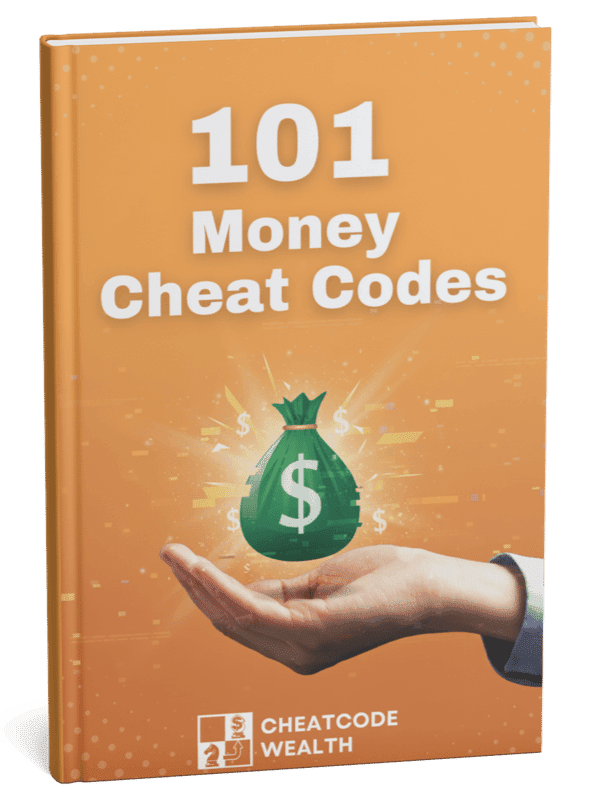

Subscribe to the newsletter and get a free copy of 101 Money Cheat Codes:
Spam-free. Unsubscribe anytime.
CheatCode Wealth™
Build your wealth. Keep your life.
© 2025. All rights reserved. Cheatcode Wealth LLC. This webpage may contain paid affiliate links.